Advertorial: Definition, Uses, Pricing, and Best Practices

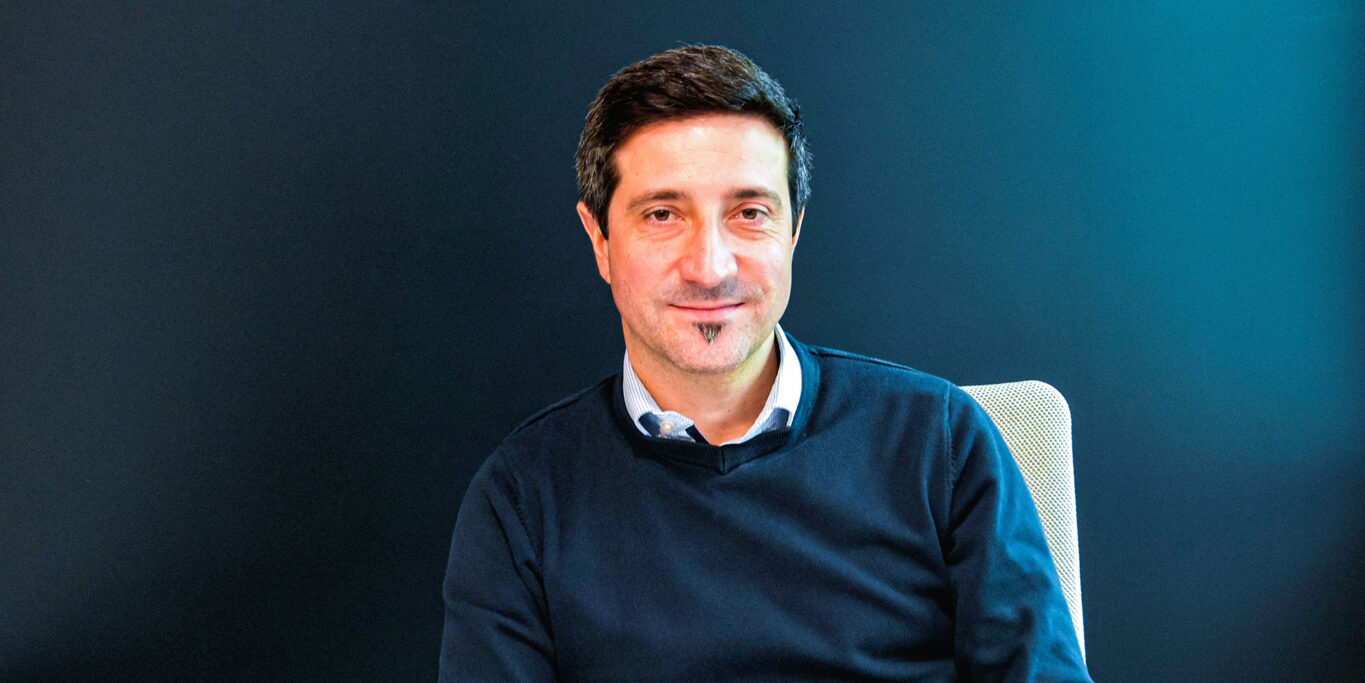
Advertorial – Case Study Report, Dome of the Théâtre des Champs Elysées, Paris, France
Advertorial – Case Study Report, Dome of the Théâtre des Champs Elysées, Paris, France – Client Robe Lighting © ProjetScenie, BLPRRC

An advertorial boosts your visibility intelligently. Learn how to use it, how much it costs, and the rules to follow.

— VINCENT LAGANIER —

May 7, 2026

An advertorial is a hybrid communication format that sits between editorial information and promotion. When used effectively, it highlights a brand, product, service, or expertise while providing readers with useful and engaging content.

In this article, you will discover:

  • what an advertorial is,
  • how it is used in a content strategy,
  • how to write one effectively,
  • how to measure its performance,
  • how much does it cost?
  • and best practices to follow.

Advertorial – Online service for outdoor lighting, WI Connect public lighting supervisor
Advertorial – Online service for outdoor lighting, WI Connect public lighting supervisor – Client Agora Makers © Nexiode

What Is an Advertorial?

Definition

An advertorial is promotional content presented in an editorial format. It can look like an article, an interview, a feature story, or a product review.

Its goal is to communicate a brand message without using the aggressive tactics of traditional advertising. The aim is to capture the reader’s attention, inform them, and spark interest in a more subtle way.

In practice, the content is usually commissioned by a sponsor. Next, written and published on an online media outlet, a specialty website, a blog, or in print media.

What’s the Difference Between Advertorials, Sponsored Content, and Native Advertising?

These terms are often used interchangeably, but they don’t mean the same thing.

  • Advertorial: Promotional content written in an editorial style by the sponsor.
  • Feature Story/Advertorial Report: Usually focused on a story or narrative, its format is like an advertorial.
  • Sponsored Article: An article paid for by a sponsor and published on a third-party platform.
  • Native Advertising: An advertising format integrated into the editorial flow of a media outlet. Its appearance closely matches the site’s regular content.

Depending on the media and context, these terms can overlap. What’s most important is to be transparent about the commercial nature of the content.

Where Can Advertorials Be Published?

Advertorials can be published:

  • on a news website,
  • in a professional magazine,
  • on an industry blog,
  • in a trade publication,
  • on a content platform,
  • through a brand media channel.

They can also be shared on social media or through a newsletter, depending on the distribution agreement.

Back to Top

Advertorial – News Final Light Lab Workshop, DiGidot, Paris, France – Pixel LED Co-creation with Seven Lighting Design Agencies - Photo © Elena Melkumova

Why Use an Advertorial?

What Are Its Marketing Objectives?

An advertorial can serve a variety of purposes:

  • introducing a company or its expertise,
  • announcing a product or service,
  • showcasing an achievement,
  • boosting brand awareness,
  • generating qualified leads,
  • supporting an SEO or GEO campaign,
  • enhancing public media efforts.

What Are the Benefits for the Brand?

A well-crafted advertorial can:

  • provide more credibility than traditional advertising,
  • build a stronger connection with the reader,
  • highlight a message without disrupting the tone,
  • strengthen brand image,
  • encourage engagement and retention.

How Can It Support SEO and GEO Visibility?

From a search engine optimization perspective, an advertorial can help to:

  • increase the visibility of a page or website,
  • drive traffic from third-party media,
  • gain contextual links, as permitted by the platform,
  • enhance brand reputation on strategic search queries.

It can be a complementary tool, but it does not replace a comprehensive SEO or GEO strategy.

Back to Top

Advertorial – Interview with Bruno Francois, Sales Director of Anolis Lighting, reflecting on the growth of the brand in France
Advertorial – Interview with Bruno Francois, Sales Director of Anolis Lighting, reflecting on the growth of the brand in France - Client © Robe Lighting

How to Write an Effective Advertorial?

How to Choose the Right Angle?

A strong advertorial starts with a clear angle. Before writing, ask yourself the right questions:

  • What is the main message you want to communicate?
  • Who is the article intended for?
  • What useful information can you provide?
  • What concrete benefit should the reader gain?

The angle should be relevant to the brand and interesting for the reader.

How to Structure the Content?

To be effective, the content must be easy to read and well-organized with:

  1. clear introduction,
  2. development with several sub-sections,
  3. examples or evidence,
  4. a conclusion with a call to action.

Clear headings, short paragraphs, and logical progression make reading easier.

What Elements Make the Article More Credible?

Credibility relies on several factors:

  • verifiable facts,
  • useful statistics or data,
  • testimonials or case studies,
  • concrete examples,
  • a professional and precise tone.

An advertorial that is too promotional quickly loses effectiveness. To add value, provide real information.

What Visuals and Formats Should You Include?

Images, diagrams, illustrations, and short videos enhance the impact of the content in several ways.

  • Illustrate your point.
  • Make the article more engaging.
  • Make it easier to understand.
  • Improve reader attention.

Visuals should align with your message and the expected level of expertise.

What Links Should You Include?

In an advertorial, using natural and varied anchor text strengthens search engine optimization.

For a case study article, you’ll often include:

A link placed in content that is truly related to your topic carries more weight than a generic link.

What Call to Action Should You Use?

An effective advertorial should include a clear call to action, such as:

  • requesting a quote,
  • contacting the company,
  • visiting a product page,
  • downloading a white paper,
  • learning more about an offer.

Note: The call to action should feel natural and fit the content presented.

Back to Top

Publi rédactionnel - Service application Mapmaster, innovation qui simplifie le video mapping - Client © Concept Light

How Do You Measure the Performance of an Advertorial?

Which Performance Indicators Should You Track?

The indicators you should track depend on the platform and objectives, but several are commonly used.

  • Reach.
  • Number of views.
  • Click-through rate (CTR).
  • Generated traffic.
  • Number of leads or potential customers.
  • Social media engagement, if the media outlet shares the content.

How Do You Interpret Key KPIs: Reach, Views, Clicks, and Conversions?

Performance Indicator KP) Common Terms Definition French
Reach Coverage The number of people exposed to the content. Portée
Views Impressions The number of times the content is displayed or read. Vues
Clicks Interactions The number of users who interacted with a link. Clics
Conversions Number of potential customers Useful actions taken after reading the content. Conversions

A high number of views alone isn’t enough. You also need to analyze real engagement and the impact on your business goals.

When Should You Analyze Distribution Results?

Results should be measured by the media outlet either:

  • right after publication, or ideally, about a month later,
  • over the long term, if your goals include SEO, GEO, or brand awareness.

Conversion analysis can only be done internally by the advertiser:

  • a few months after the advertorial goes live.

Analyzing each communication campaign always helps you refine future content creation.

Back to Top

Publi rédactionnel - Produit mats aluminium avec console Rosa en éclairage public - Distributeur Onde
Publi rédactionnel - Produit mats aluminium avec console Rosa en éclairage public, Bretelle, Nord Nowy Sacz, Pologne, Europe - Client Onde © Rosa

How Much Does Sponsored Content Cost?

What Factors Affect the Price?

The price mainly depends on the:

  • media outlet’s reputation,
  • quality of the audience,
  • length of the article,
  • level of writing required,
  • distribution options,
  • inclusion of visuals,
  • supplementary graphic formats.

What Budget Should You Plan for Sponsored Content Distribution?

Depending on the platform and the level of visibility offered, sponsored content distribution rates currently start at:

Currently, prices can go up to:

What Budget Should You Plan for the Creation and Production of Sponsored Articles?

If you hire a specialized communications agency such as LZL Services to write a sponsored article, the budget is higher because the scope of work is broader.

In fact, the job includes production, distribution, and post-publication analytics.

The budget to plan for the creation and distribution of a sponsored article:

  • between €1,350 and €2,000 excluding tax, depending on the media outlet and the scope of the project.

Depending on the assignment, the team may include a:

  • specialized interviewer and professional writer,
  • photographer,
  • graphic designer.

What Are the Components of a Quote?

Generally, a sponsored content quote is broken down into four main items:

  • writing costs,
  • distribution costs,
  • costs for photography and/or graphic design,
  • measurement or reporting costs.

On Light ZOOM Lumière, these 360° statistics come from the:

  • website, via Matomo,
  • newsletters, via MailChimp,
  • social media, via LinkedIn, Facebook, and Instagram:

Between the creation of a sponsored article and the simple distribution of sponsored content, these analytics are:

  • included in the articles I write for you and published on Light ZOOM Lumière,
  • or available as an add-on for sponsored content written by advertisers.

How to Evaluate Return on Investment (ROI)?

Return on investment can be measured by:

  • cost per impression,
  • generated traffic,
  • quality of visitors,
  • number of contacts obtained,
  • impact on brand awareness,
  • medium-term SEO and GEO benefits.

The right price is not always the lowest, but the one that best serves your goal.

Back to Top

Advertorial - Case study report, Petit Domaine district, Avord, France - SDE18 public lighting innovation - Biological White light profile
Advertorial - Case study report, Petit Domaine district, Avord, France - SDE18 public lighting innovation - Biological White light profile - CLient Selux - Photo © Yannick Pirot

What Are the Best Practices and Limitations to Know?

What Transparency Rules Should Be Followed?

Under French law, according to the Law of June 21, 2004 for Confidence in the Digital Economy, sponsored content must be clearly identifiable. This is outlined in the LCEN law, which includes several articles on e-commerce and digital advertising.

Transparency for readers is essential. Depending on the online platform, there should be a clear statement indicating that the content is paid for or created in partnership with an advertiser.

On Light ZOOM Lumière, when a topic or report is funded by an advertiser, we always note the following:

  • Online job posting : Sponsored announcement by (advertiser’s name).
  • Sponsored article online : Article sponsored by (advertiser’s name).
  • Complete advertiser contact: logo, company name, address, phone number, and website.

What Mistakes Should Be Avoided?

The most common mistakes are:

  • Mixing several terminologies without consistency.
  • Making the text too commercial.
  • Forgetting the informative value.
  • Overloading the article with keywords.
  • Multiplying calls to action.
  • Neglecting the clarity of the sponsorship notice.

For more information, ARPP publishes recommendations on digital advertising communication, which are very useful. In France, the Autorité de Régulation Professionnelle de la Publicité is the main reference.

When Should You Choose Another Format?

Sponsored content is not always the best choice. It may be less appropriate if:

  • The goal is immediate and direct sales.
  • The message is very short.
  • The budget is limited.
  • The target platform does not accept this type of content.

In some cases, other formats may be more relevant. For example:

  • A campaign with moving images, known as display.
  • A landing page after clicking on a link, for increasing the conversion rates.
  • An advertising campaign on a social network, referred to as social ads.

Back to Top

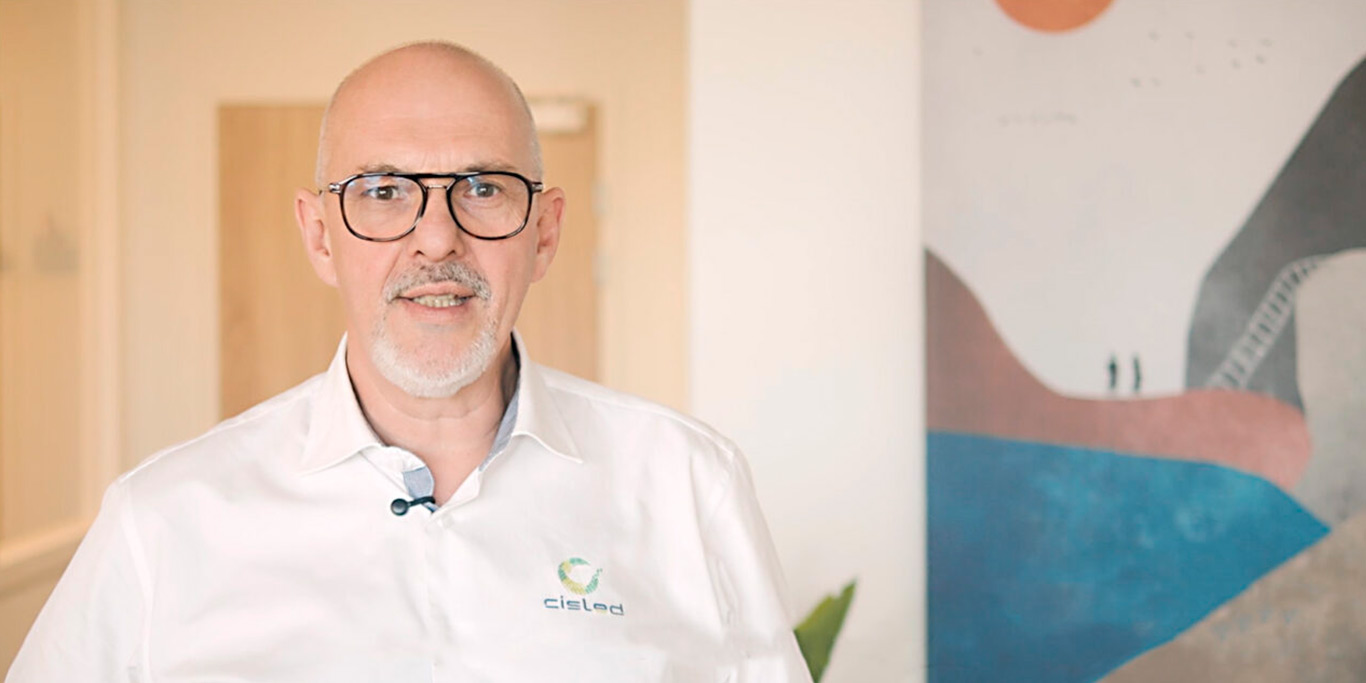
Advertorial - Interview with Laurent Guillon, president, CisLED SAS - launch of new brand Le Ruban LED Français
Advertorial - Interview with Laurent Guillon, president, CisLED SAS - launch of new brand Le Ruban LED Français © LZL Services, Very Content

Examples of Successful Sponsored Content with LZL Services

Example 1: Company

An interview with the CEO or a department manager in a specialized media outlet can highlight:

  • the company’s history,
  • its vision,
  • its core values,
  • its professional expertise.

This format is especially effective for strengthening credibility and employer branding.

Examples of Sponsored Interviews in French language

KPI Statistics for a One-Month Company Interview

Interviews Performance Average LZL Services French
Reach Coverage 4,114 users Portée
Views Impressions 2,424 users Vues
Budget Investment €1,395 (excl. tax) Budget
Cost / Impression Return on Investment €0.71 (excl. tax) Coût / Impression
Advertorial - Facet product, oval lantern for urban spaces
Advertorial - Facet product, oval lantern for urban spaces – Designer Julien Schnell - Client and photo © Eclatec

Example 2: Product or Service

A product test or a service presentation makes it possible to:

  • highlight the benefits,
  • address objections,
  • guide readers toward a specific offer,
  • drive qualified traffic to the right page.

Examples of Sponsored Articles in French language

KPI Statistics for a One-Month Product Launch

Products Performance LZL Services Average French
Reach Coverage 2,816 users Portée
Views Impressions 1,288 users Vues
Budget Investment €1,288 Budget
Cost / Impression Return on Investment €0.34 Coût / Impression
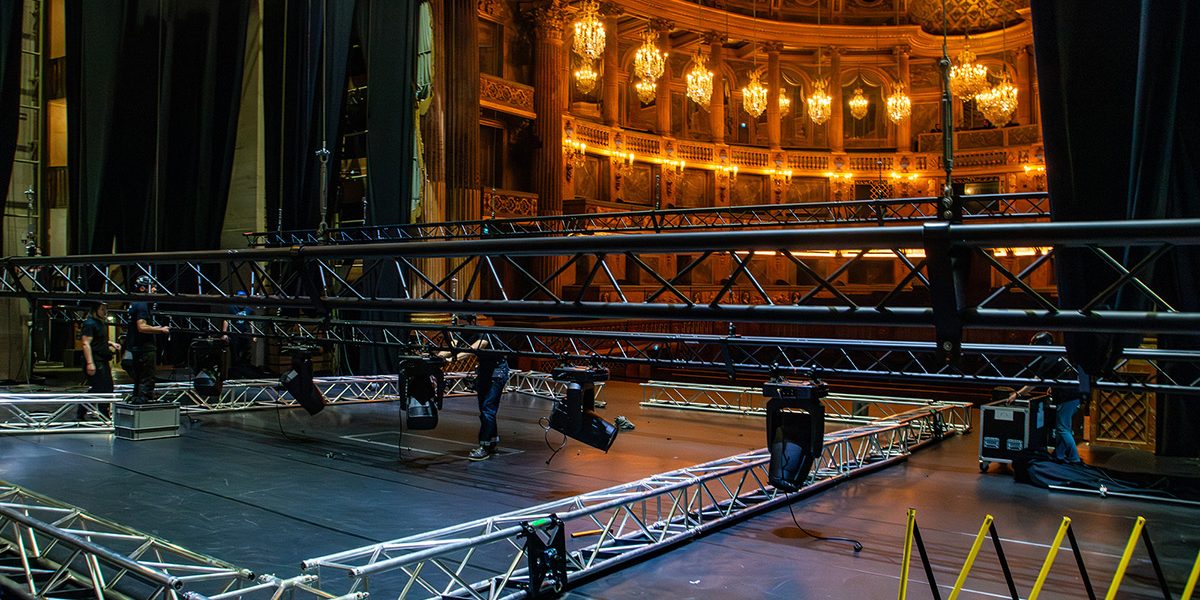
Publi-rédactionnel Advertorial - Reportage étude de cas, Opéra Royal, Versailles - Éclairage scénique
Publi-rédactionnel Advertorial - Reportage étude de cas, Opéra Royal, Versailles
Éclairage scénique - Client : Robe Lighting - Photo © Maxime Jeanjean

Example 3: Industry News

An article focused on innovation, achievement, or trend within the industry can:

  • position of the company as an expert,
  • provide valuable insights to readers,
  • establish the brand within its professional environment.

Examples of Sponsored Features in French language

KPI Statistics for a One-Month Industry News

Lighting Project Performance LZL Services Average English
Reach Coverage 4,336 users Portée
Views Impressions 2,411 users Vues
Budget Investment €1,369 Budget
Cost / Impression Return on Investment €0.33 Coût / Impression

Publi-rédactionnel Advertorial - Reportage étude de cas, centre-ville, Mâcon, France
Éclairage urbain - Client : Eclatec - Photo © Vincent Laganier

Publi-rédactionnel, bannière Web et publicité traditionnelle : une comparaison

Advertorials, Web Banners, and Traditional Advertising: A Comparison

Advertorials, web banners, and traditional advertising are all forms of marketing communication. Their shared goal is to promote products, services, or brands. Below is a comparison of these different types of content marketing.

  • Advertorials : Advertorials are designed to subtly resemble editorial content, capturing the reader’s attention. They enable advertisers to tell a story or share useful information, creating a positive association with their brand.
  • Web Banners : Web banners are more direct and immediately grab attention. This form of online advertising delivers a promotional message designed to attract users and prompt action, such as “click to learn more.” They are generally less subtle than the advertorials above.
  • Traditional Advertising : Traditional advertising is typically the most expensive. Examples include TV spots, print ads, and billboards. These campaigns are usually broadcast on a scale and aim to reach a broader audience.

Key takeaway: Each of these marketing communication methods has its own strengths and weaknesses. Advertorials offer a subtle and persuasive approach, web banners provide a more direct strategy, and traditional advertising can reach a large audience on a scale.

FAQ

How do you write an advertorial?

Start by defining your goal, target audience, and angle. Next, structure the text clearly, provide value to the reader, and include an appropriate call to action.

Why create an advertorial?

An advertorial allows you to share brand information in a more editorial and engaging format than traditional ads. It helps to inform, persuade, and showcase your expertise.

What legal requirements must be followed?

The content must be clearly identified as sponsored or commercial, according to the platform’s guidelines and applicable regulations. Transparency is essential to avoid misleading readers.

How do you optimize your article for the web?

To optimize an advertorial:
  • use clear titles,
  • structure the article with subheadings,
  • naturally integrate keywords,
  • add relevant visuals,
  • ensure mobile readability,
  • and limit repetition.

Publi-rédactionnel Advertorial - Reportage étude de cas, parc Blandan, Lyon - Eclairage urbain
Publi-rédactionnel Advertorial - Reportage étude de cas, parc Blandan, Lyon
Éclairage urbain - Client : Agence ON - Photo © Vincent Laganier

Conclusion

An advertorial is a powerful tool when thoughtfully planned, well-written, and strategically distributed. It combines visibility, credibility, and performance, if you maintain the right balance between information and promotion.

To ensure your campaigns succeed, remember these three principles:

  • useful angle,
  • clear writing,
  • distribution that matches your objectives.

If you’d like to go further, you can contact Vincent Laganier. As editor-in-chief of the leading French-speaking media outlet for lighting and illumination, he develops content strategies, creates products, and distributes them in a coherent, measurable, and effective way.

Would you like to publish an advertorial?